

Last verified 09/26
Patonga is a small village on the southern end of the NSW Central Coast. It sits at the mouth of the Hawkesbury River and is surrounded by Brisbane Water National Park. The village is quiet, with bush and water all around.
There’s a beach, a creek, a wharf, a pub and a camping ground. That’s most of the village.
What makes Patonga different from other Central Coast beach towns is how isolated it feels. Every time I drive the winding road through the national park toward Patonga, it feels like I’m leaving the city behind.

You can only reach Patonga by driving through Brisbane Water National Park or taking the ferry from Palm Beach.
If you’re coming from Sydney, the ferry is a relaxing 25-minute ride across Broken Bay. If you’re travelling from the Central Coast, the road winds through the bush with glimpses of water through the trees before the village suddenly appears below.
If you’re looking for a quiet day trip or relaxed weekend away with calm water, bushwalks and a slow pace, Patonga is a top choice.
On this page
Is Patonga Worth Visiting?
About Patonga
Patonga sits on Brisk Bay, where Patonga Creek meets Broken Bay. Early maps sometimes recorded the Aboriginal name for the area as “Betonga,” which is believed to mean oyster.
The village is small enough to walk around in about 15 minutes. There’s a hotel with apartments above it, a camping ground beside the creek, a public wharf, a boat ramp, a few streets of holiday homes and some old cottages.
Patonga has been a popular holiday spot for Sydney visitors since the early 1900s. Before the first road was built in the 1930s, people could only reach the village by ferry.
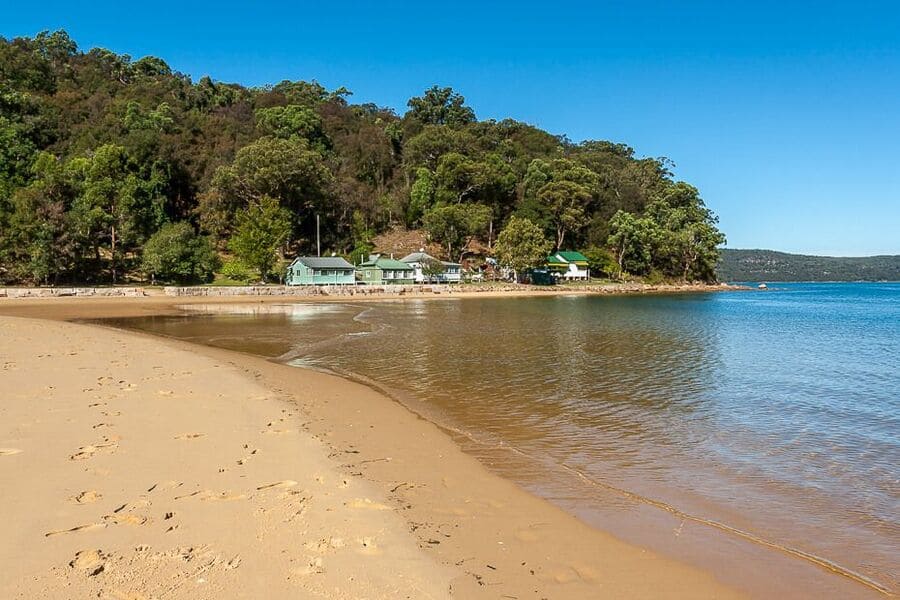
You can still see that history today. Some of the old cottages in the area locals call “Dark Corner” have been carefully preserved, and this part of the village was the last to get electricity.
The bushland around Patonga is protected as part of Brisbane Water National Park, which has helped the village stay small and relatively unchanged for decades.
Things to Do at Patonga
Swim at Patonga Beach


Patonga is one of the calmest spots for swimming on the Central Coast. The water is usually sheltered and gentle, especially near the wharf and along the creek by the camping ground, unlike the nearby surf beaches.
The water here often feels more like a quiet river inlet than an open ocean beach. Many people visit to paddle, float, and relax rather than swim in waves.

I especially enjoy swimming here after a walk in Brisbane Water National Park because it feels so refreshing. Patonga is also much quieter and less crowded than beaches like Terrigal or Avoca.
Patonga Beach is unpatrolled, so there are no lifeguards on duty. It’s best to avoid swimming near the mouth of Patonga Creek because the currents there can move quickly into Broken Bay.
There is an off-leash dog area between Meroo Avenue and Jacaranda Avenue, with about 500 metres of sand where dogs can run freely.
Walk to Warrah Lookout

Warrah Lookout stands above Patonga on a sandstone platform with wide views across Broken Bay, the Hawkesbury River, Barrenjoey Headland and West Head. On a clear day, it’s one of the best lookout spots on the Central Coast.
You can reach the lookout in two main ways.

Getting to Warrah Lookout from Patonga Beach
The main walk begins at the eastern end of the beach near a spot locals call Dark Corner. The track climbs through bushland on a steep rocky staircase before following a fire trail along the ridge to the lookout.
The walk is 3.2 km round trip and takes about 1 hour, depending on pace. The rocky steps can become slippery after rain, so it’s best to wear proper walking shoes.
The views from the top make the climb worthwhile. You’ll see Lion Island in Broken Bay, the curve of Palm Beach and Pittwater stretching south toward Sydney.

Getting to Warrah Lookout from Warrah Trig Road
If you want the view without the steep climb, try the Tony Doyle Track from the end of Warrah Trig Road. This walk is about 800 metres return and usually takes 30 to 40 minutes.
The track is flatter, with sandstone steps and rock platforms. It’s considered a Grade 2 walk, making it easier than the steeper Grade 3 climb from Patonga Beach.
If you’re staying in Patonga and mainly want the lookout views, this is the easier option.
You can also continue past Warrah Lookout along the ridge track toward Pearl Beach for a longer bushwalk through Brisbane Water National Park.
Kayak on Patonga Creek

Patonga Creek and the nearby waterways are some of the calmest spots for kayaking on the Central Coast. You can launch your kayak or stand-up paddleboard from the boat ramp by the camping ground and head right into the sheltered creek.
I love kayaking here early in the morning, when the water is smooth and everything feels peaceful. The creek heads north into Brisbane Water National Park, passing through mangroves, bushland, and narrow sections that seem much more remote than you’d expect so close to Sydney.

As you paddle further upstream, it gets quieter. You might spot pelicans, stingrays, and sea eagles, and if you go at high tide, you can paddle right through the mangroves.
The water is usually calm enough for beginners, but it’s a good idea to check the tide before you go, since some parts of the creek can become shallow at low tide.
Fish at Patonga
The wharf is one of the most popular fishing spots in the village. You can fish from the jetty into the calm waters beside the wharf or from the creek banks. Locals fish for bream, flathead, whiting and tailor. There’s a fish cleaning table beside the boat ramp.
Mountain Biking
Brisbane Water National Park has a network of fire trails that are open to mountain bikes. The closest ride to Patonga is the Warrah Trig Loop (about 10km), which starts at the end of Warrah Trig Road.
Longer rides include the Tommos Loop and Rocky Ponds Trail (about 20km combined), which start from Staples Lookout on Woy Woy Road.
Where to Eat in Patonga
There aren’t many places to eat in Patonga. The main choice is the Boathouse Hotel.
The Boathouse Hotel Patonga

The Boathouse Hotel is the main pub and restaurant in town. It’s right across from the beach and has a big outdoor deck with a great view of the bay. The scenery from the deck is beautiful, and the location is hard to beat.
It can get busy, so booking ahead is a good idea. Prices are higher than most Central Coast pubs, and the food can be inconsistent. Still, most people visit for the waterfront views and relaxed atmosphere as much as the food.
The Boathouse Hotel is at 6–8 Patonga Drive, Patonga.
Bring a Picnic
Having a picnic is a great fit for Patonga. There’s lots of grassy space by the water, the beach is close, and you can enjoy the views for free. If you want to skip the crowds or save some money, this is a solid choice.
Where to Stay in Patonga

There are no large hotels in Patonga. You can camp at the holiday park, stay in apartments above the Boathouse Hotel, or book a holiday rental.
Patonga Camping Ground
Patonga Caravan & Camping Area is a great spot for waterfront camping on the Central Coast. It is located between Patonga Creek and the bay, with the village at one end and Brisbane Water National Park all around. The sites are grassy, mostly flat, and many offer water views.
The camping ground has:
- 36 powered sites and 45 unpowered sites
- Hot showers and amenities
- Electric BBQs
- A children’s play area
- A boat ramp into Patonga Creek
- Fish-cleaning facilities
- Direct access to the beach and creek
- Laundry and dryers
- Tennis courts
- Campfires permitted during winter months, subject to park rules and conditions
There are no cabins or onsite vans, only tent and caravan sites. Pets are not permitted, except for assistance animals. The campground books out well ahead for school holidays, long weekends and summer, so it’s worth booking early.
The location is what makes it special. You can walk to the pub, launch a kayak from nearby, swim before breakfast and watch the ferry arrive from Palm Beach. For families and anyone who enjoys simple coastal camping, it’s hard to beat.
Boathouse Hotel Apartments
The Boathouse Hotel Patonga has three apartments upstairs available for short stays. They sleep between two and six guests and feature bright coastal-style interiors with balconies and water views across the bay.
A few practical things to know:
- You can hear some noise from the pub downstairs in the evening, though it usually quietens later at night.
- Prices are premium, especially on weekends and during school holidays.
- The location puts you right in the centre of Patonga, within walking distance of the beach, ferry wharf and creek.
Holiday Rentals
For a longer stay or a group, holiday rentals in Patonga range from older beach cottages to modern homes with water views and pools. Many are dog-friendly and available through Airbnb and Stayz.
How to Get to Patonga
There are two good ways to get to Patonga, and each offers a very different experience.
By Ferry from Palm Beach
Ferry services run between Palm Beach and Patonga. The trip takes about 30 minutes. Operators and timetables can change with the season, so check the current timetable before travelling.
By Car from the Central Coast
If you’re driving from Sydney, allow about 1 hour 30 minutes via the M1. Exit at Gosford and follow the signs through Umina toward Patonga.
The last 10 minutes of the drive is the best part. The road winds down through Brisbane Water National Park, with bushland on both sides, glimpses of water through the trees, and a final descent into the village. It’s one of the prettiest drives on the Central Coast.
There’s no through road. Patonga is a dead-end village, so you arrive, you visit, you leave the same way.
Parking is along the foreshore and on the side streets. On busy weekends and public holidays the closest spots fill up early, but there’s almost always parking a short walk away.
Explore Nearby Towns
Umina
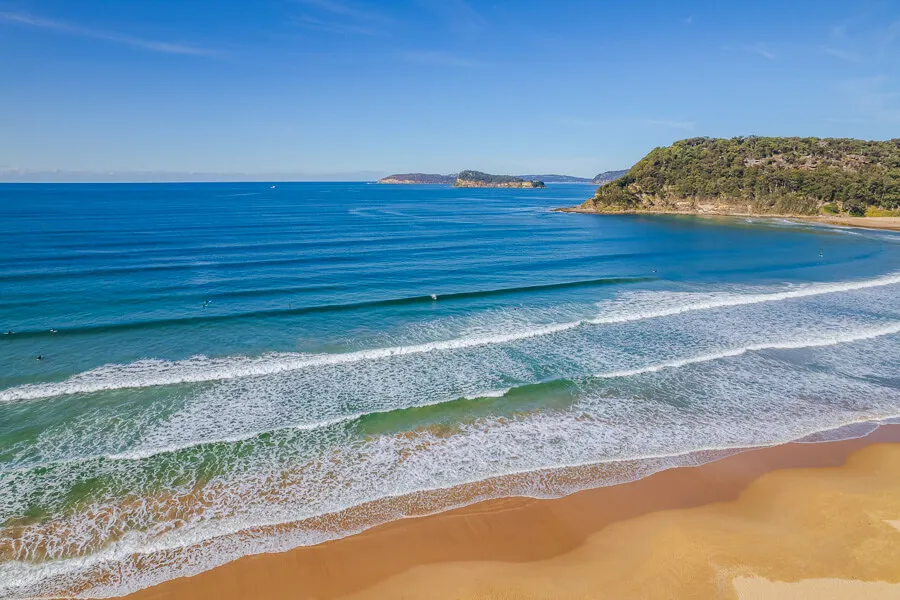
Home to the Central Coast’s longest beach, with calm swimming areas and plenty of space for families.
Woy Woy
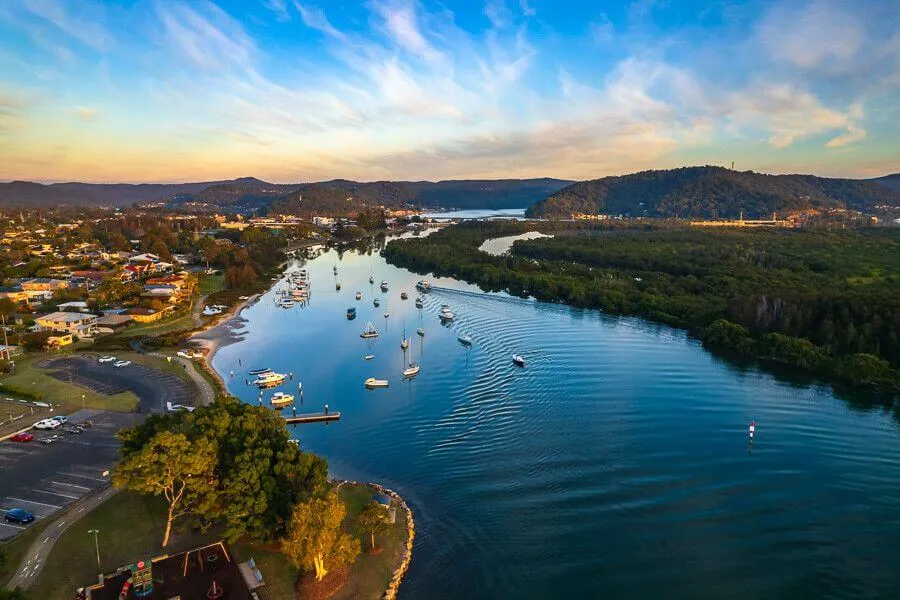
A practical waterfront town on Brisbane Water, with foreshore walks and easy train access.
Killcare
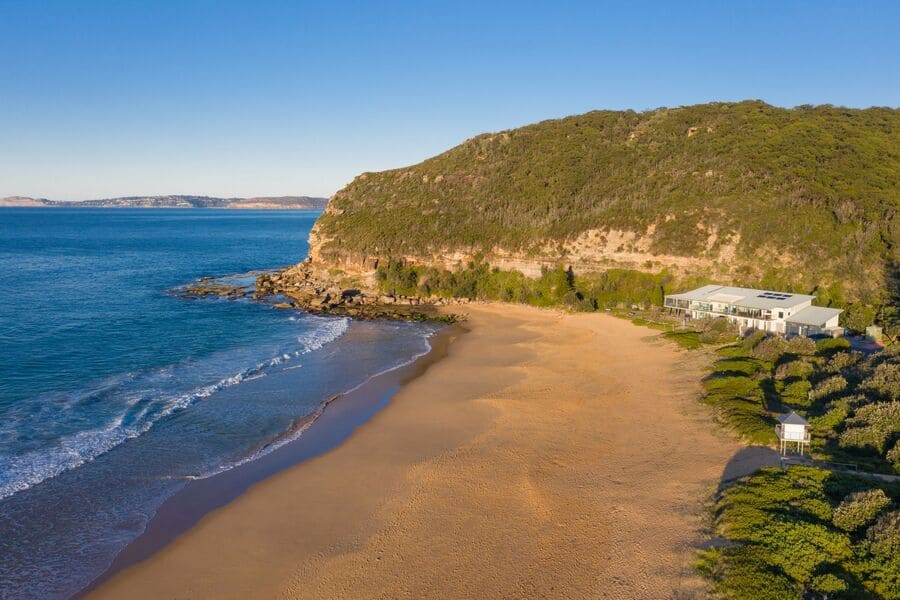
A peaceful coastal village surrounded by beaches, bushland and Bouddi National Park.
Ettalong
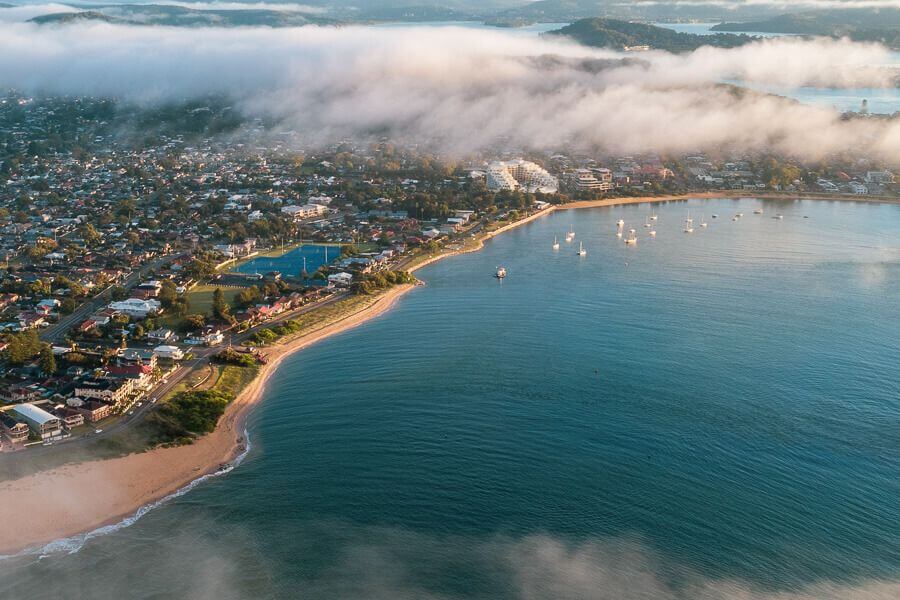
A relaxed waterfront village known for calm swimming, markets, cafés and the Palm Beach ferry

Pearl Beach
A secluded beachside village known for its natural beauty, ocean pool and peaceful atmosphere.
Explore More Central Coast Guides
Beaches
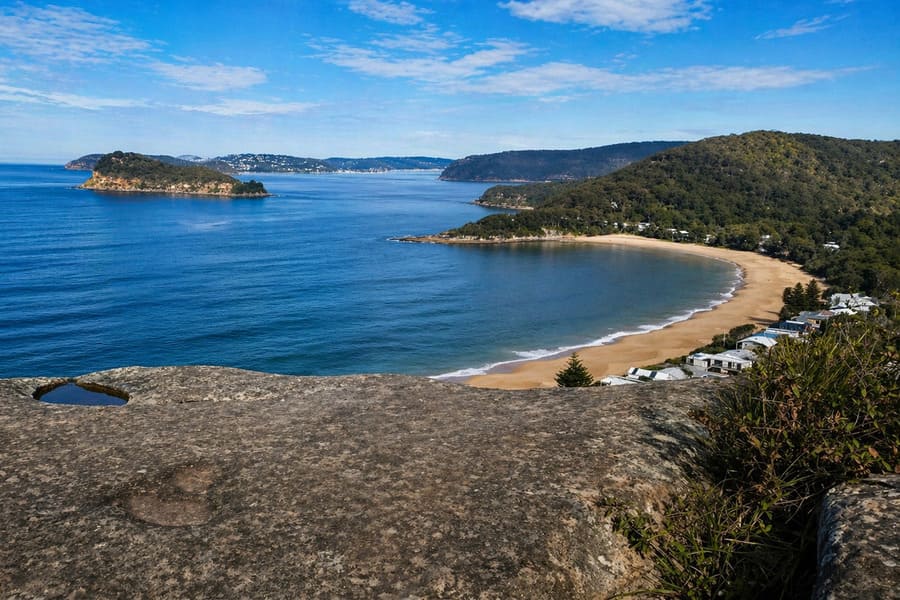
From sheltered bays to open surf beaches, find the right Central Coast beach for your next visit.

Walks
Discover the best walks and bushwalks on the Central Coast.

Towns
Explore coastal villages, lakeside towns, and local spots across the Central Coast.
Things to Do
Find the best attractions, markets and experiences on the Central Coast.
Bouddi National Park Walks
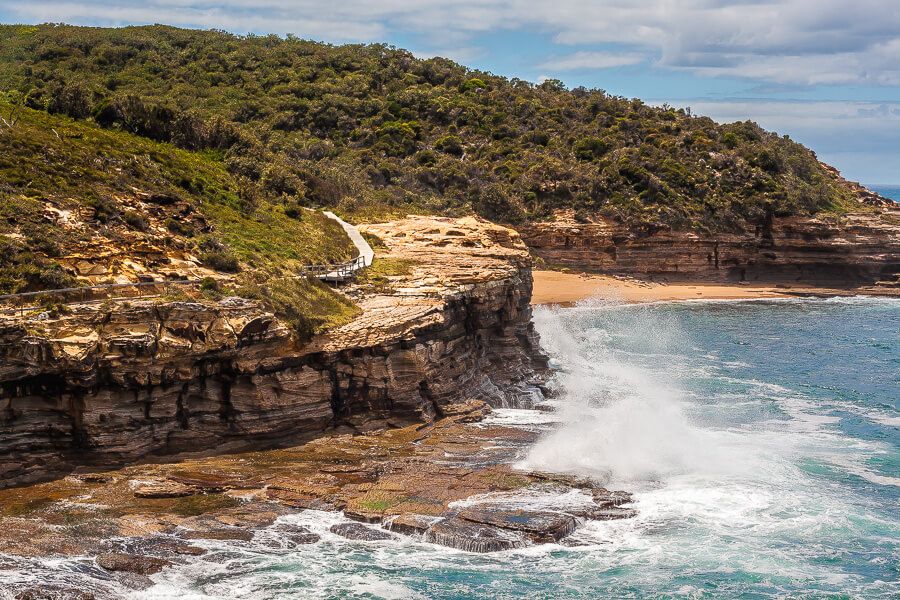
Explore coastal trails and secluded beaches in Bouddi National Park.
Brisbane Water National Park Walks
Discover the best walks in Brisbane Water National Park.