
Last verified 05/26
If you’re looking for a short but rewarding bushwalk on the Central Coast, the Patonga to Pearl Beach walk is a great choice.
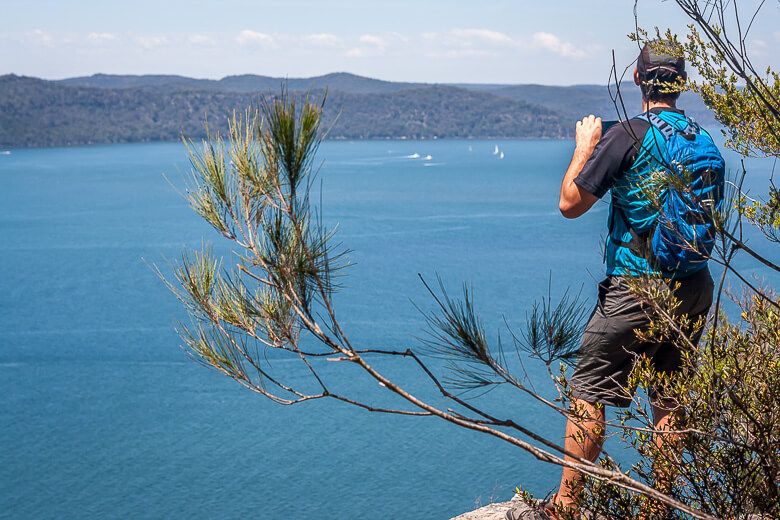
The track is part of the Great North Walk and crosses a forested headland, taking you to Warrah Lookout. From there, you get wide views over Broken Bay, the Hawkesbury River, and Palm Beach.
The walk isn’t long, but there are some steep parts and rocky steps. It feels more like a real hike than just a casual stroll.
This walk stands out because you see and do a lot in a short distance. You’ll go through bushland, check out small caves, and end at two beaches where you can swim, and you can grab something to eat in Patonga. It’s an easy half-day trip.
This guide describes the walk from Pearl Beach to Patonga, but you can start at either end.
Quick Facts – Patonga to Pearl Beach Track
- Distance: 3 km one-way
- Duration: 2.5 to 3 hours return
- Difficulty: Moderate
- Location: Brisbane Water National Park
- Highlight: Warrah Lookout
- Not ideal if: You want a flat or pram-friendly track
- Dogs: Not allowed
- Toilets: Yes, at both beaches
- Pram friendly: No
Why Choose This Walk
Choose this walk if you want a shorter hike that still feels worthwhile.
You get a good mix of bushland, some climbing, and a great view at the lookout, all without needing to spend a whole day. It’s also one of the few walks where you can enjoy a hike and have a swim.
The track is easy to follow, popular with locals, and requires little planning.
What to Expect (Step-by-Step)
Section 1: Pearl Beach to Warrah Lookout
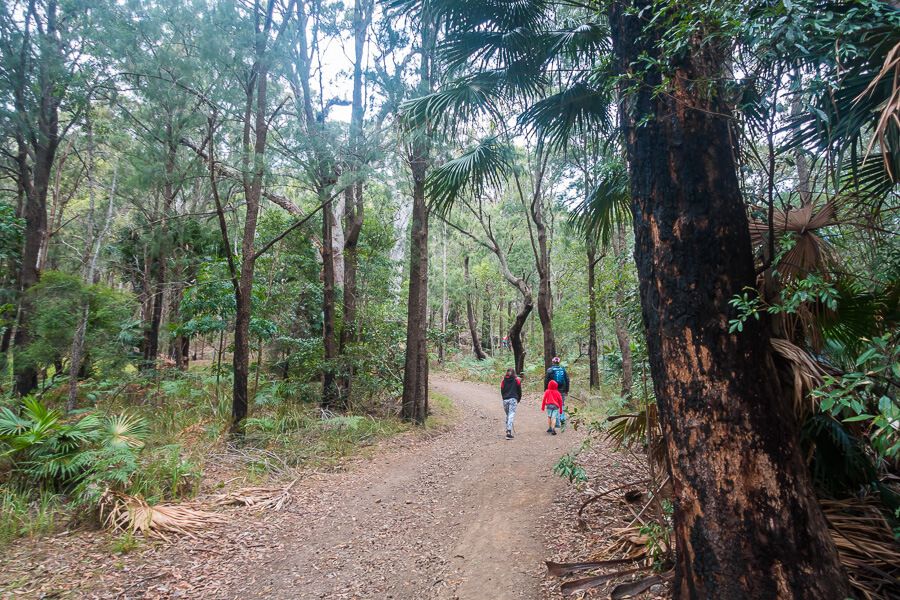


Starting from Pearl Beach near the Cromellin Arboretum, the track heads uphill through red gum forest.
The climb is steady, not too hard, with a clear path and some uneven ground. You’ll pass small sandstone overhangs and caves on the left, which are a fun side trip, especially for kids.
After about 1.5 km, you’ll reach Warrah Lookout.
Warrah Lookout (Highlight)
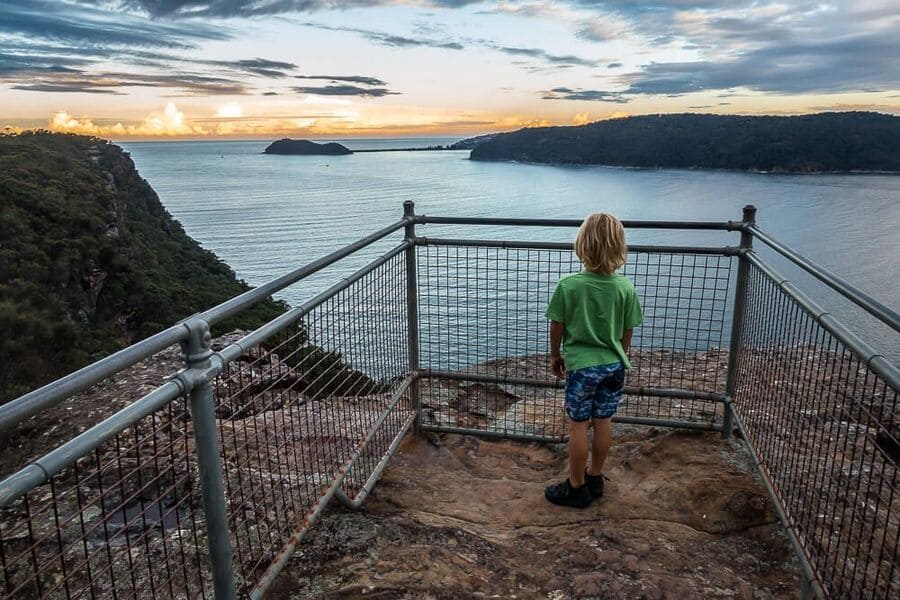
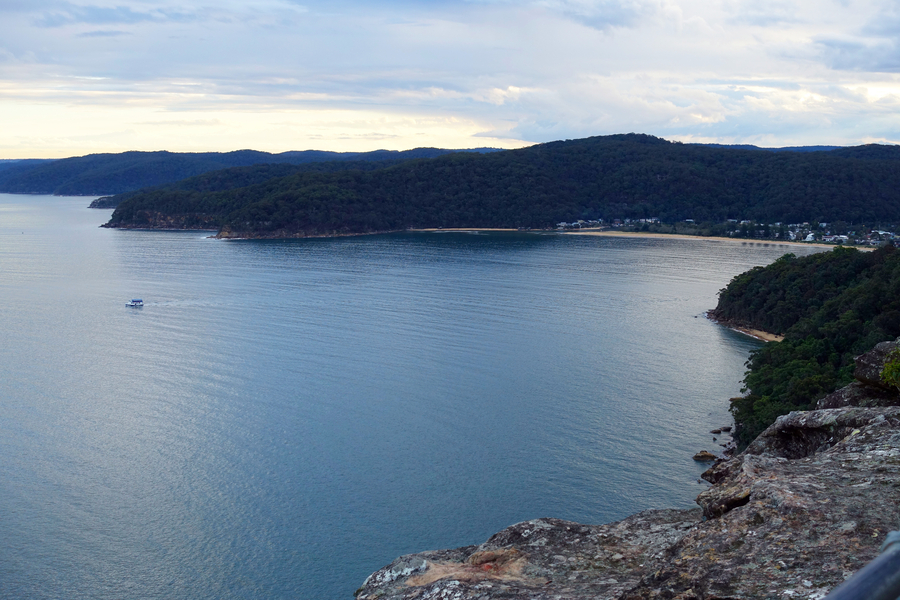
The main highlight of the walk is Warrah Lookout.
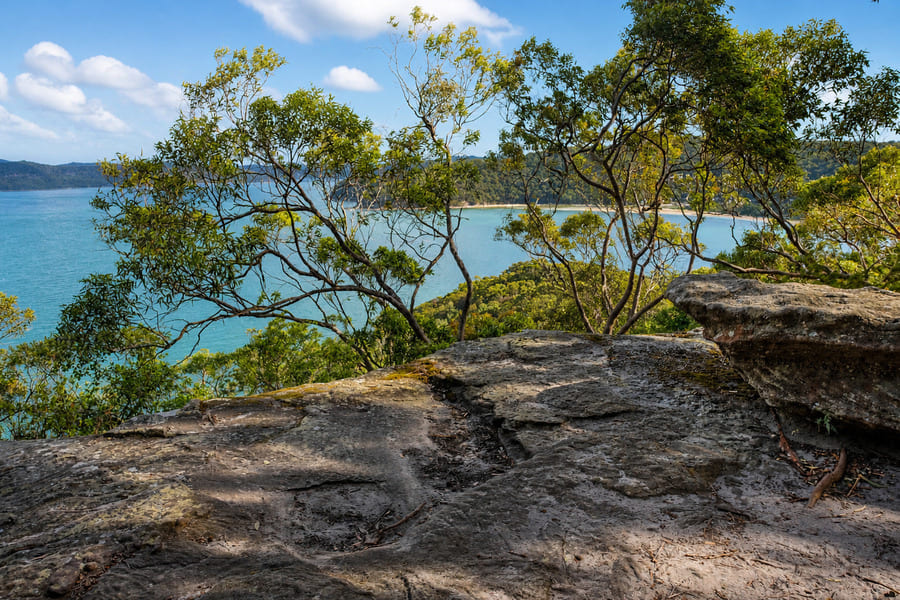
From here, you can see wide, open views over Broken Bay, the Hawkesbury River, Ku-ring-gai Chase National Park, and Palm Beach. It’s one of the best spots to take in the scenery on the Central Coast.
The lookout has a fence, but there are steep drops close by, so watch children carefully.
It’s a great spot to stop, rest, and enjoy the view before you keep going.
Section 2: Warrah Lookout to Patonga

From the lookout, continue a short distance before taking the track on the left marked “Patonga.”
This part is steeper, with rock steps and a narrower path as you head down to the beach. You’ll catch glimpses of the river through the trees as you go.
There are a few unofficial viewpoints just off the track. They aren’t signposted, but some give you even better, more open views than the main lookout. The best ones are just after Warrah Lookout on short side tracks to the left.
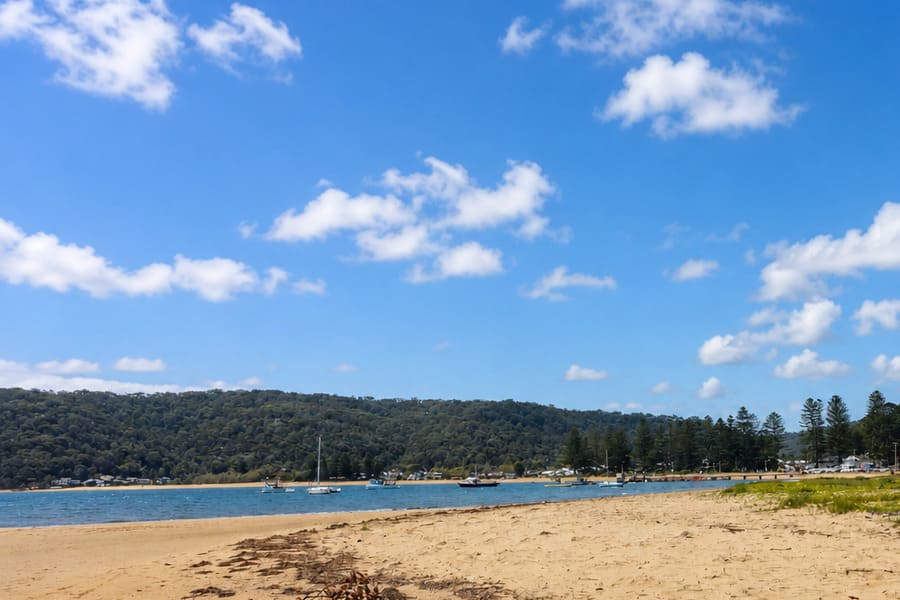
After the bush track, you reach Patonga Beach and village.
Pearl Beach & Patonga (Start/Finish Points)
It’s worth planning your walk so you can enjoy both ends.
Pearl Beach is a quiet, with calm water at the southern end. There’s no cafe, but you can have a swim.
Patonga is a small coastal village with a calm bay, a jetty, and a pub right by the water. It’s a popular spot to have lunch or relax after your walk.
Getting There & Parking
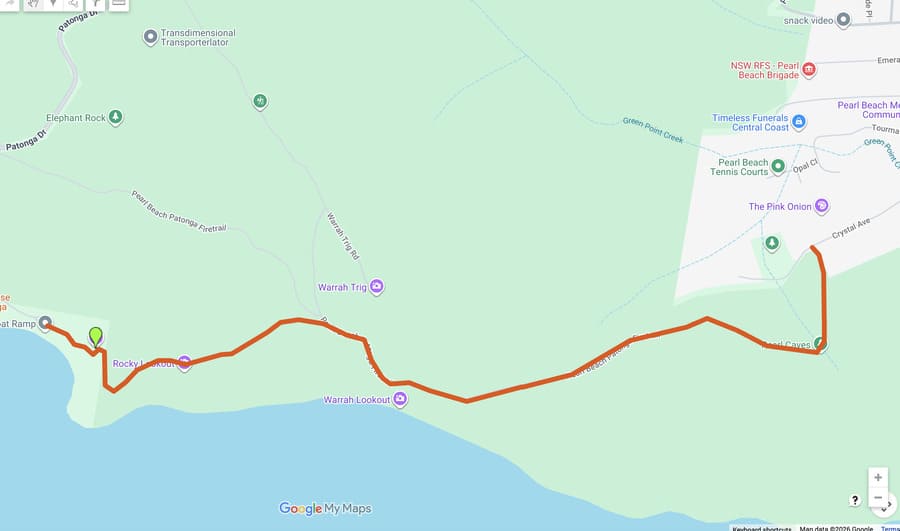
Pearl Beach: Park near the Cromellin Arboretum on Crystal Avenue. There’s a small car park, and the track starts a short walk from there.
Patonga: Park along Patonga Drive near the beach, jetty, or pub. There’s usually street parking available, but it can get busy on weekends. You can also reach Patonga by ferry from Palm Beach, which makes a good option if you want to combine the walk with a day trip.
Find Out More Walks and Things to Do on the Central Coast

Things to Do
Beaches, lookouts, markets and local spots across the Central Coast.

Walks and Bushwalks
Coastal tracks, national park trails and easy family walks across the Central Coast.

8 Best Brisbane Water National Park Walks
The best walks in Brisbane Water National Park, from waterfalls and lookouts to rainforest bush tracks and Aboriginal sites.